
The 2026 Vision: Bridging Silicon Valley Innovation with Federal Mission
AI-Vets | Strategic Outlook & Future Horizons
As we look toward 2026, the federal landscape is being reshaped by a powerful convergence. The next era of government excellence won’t just be defined by the hardware we buy, but by the intellectual capital we cultivate.
At AI-Vets, we are championing a “Bottom-Up” revolution. We believe that to solve the nation’s most complex challenges—from optimizing veteran healthcare to securing energy grids—we must combine the agility of Silicon Valley with the steadfastness of the Federal Mission.
Our vision for 2026 is one of “Total Visibility” and “Intellectual Infrastructure”—a future where the brightest minds in technology are empowered to build systems that not only function but anticipate, adapt, and serve.
Strategic Framework
The Talent Bridge: Silicon Valley Meets D.C.
Innovation is not just about code; it is about culture. A key pillar of our 2026 outlook is the active migration of high-impact technical talent from the commercial tech hubs into the federal ecosystem.
By bringing Chief Scientists and engineers who have shaped the commercial cloud landscape into the government space, we are infusing federal projects with a new “start-up” velocity. This infusion of talent allows us to look at age-old problems through a fresh lens—applying the rigor of commercial R&D to the critical demands of national defense and public health.
The result? A government that doesn’t just catch up to technology, but begins to lead it.
From Reactive Maintenance to Cognitive Infrastructure
The traditional model of IT management—waiting for a break and then fixing it—is fading. In 2026, we envision a shift toward Cognitive Infrastructure.
This means building systems that possess a deep awareness of their own physical and digital state. By creating a continuous feedback loop between the application layer and the silicon layer, we empower agencies to move from “keeping the lights on” to “optimizing the mission.”
We are moving toward a world where leaders have a 360-degree perspective on their operational reality—giving them the sight to predict challenges before they arise.
“The most valuable asset in 2026 isn’t the hardware; it’s the intelligence we embed within it.”
Innovation in Action: Project Atlas
This fusion of top-tier talent and strategic vision has culminated in our R&D department’s latest initiative, known internally as Project Atlas.
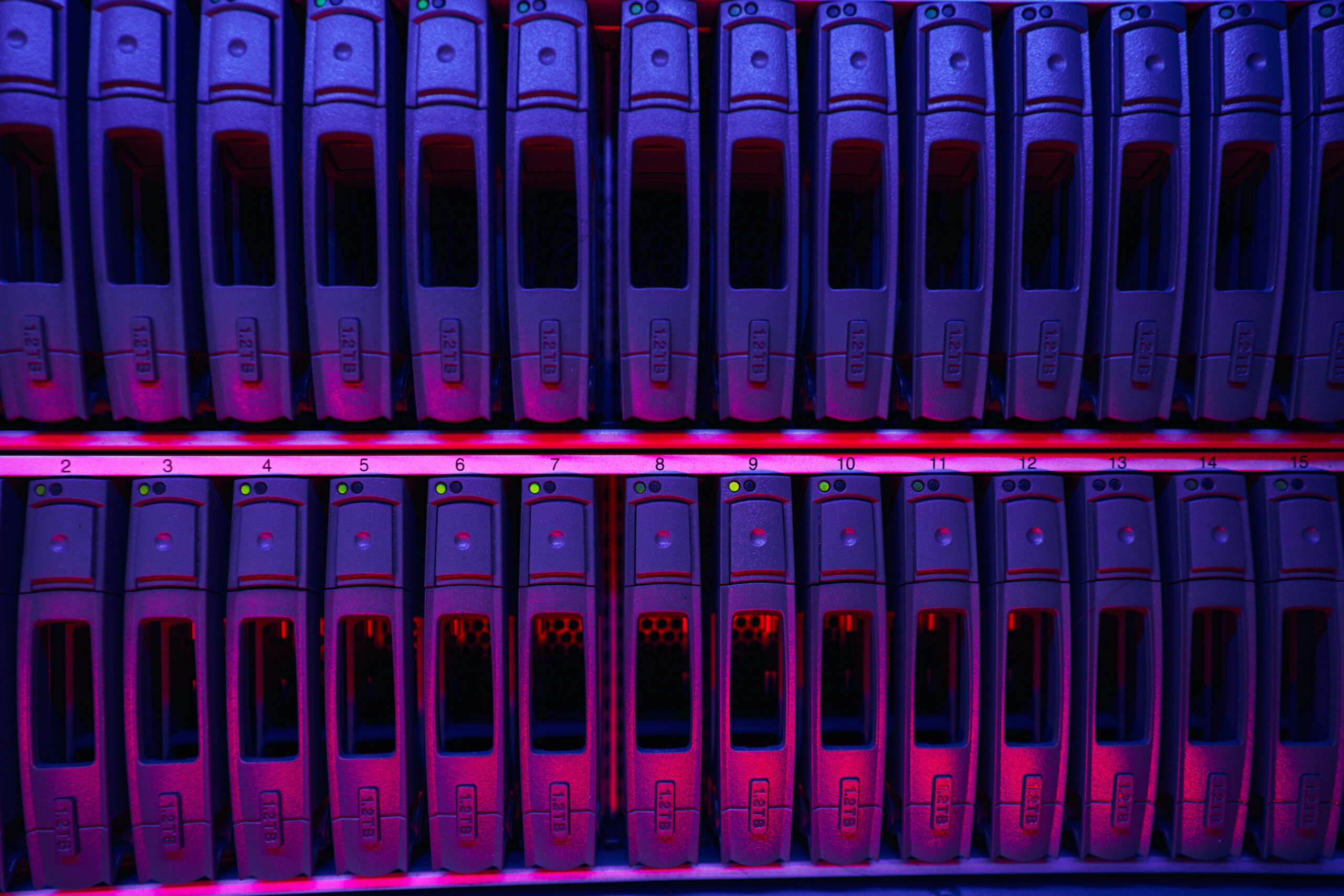
Currently in active development, Project Atlas is the proving ground for our “Bottom-Up” philosophy. It is designed to provide infrastructure sight unlike anything currently available—drilling down to the FLOPS (floating-point operations per second) to reveal the true cost and performance of AI workloads.
By harmonizing telemetry across the entire stack, our engineers are creating a platform that transforms the data center into a strategic asset, ensuring that as the government scales its AI ambitions, its foundation remains rock solid.
The Green Horizon
Perhaps the most inspiring aspect of this vision is the potential for sustainable stewardship. As we modernize, we have a unique opportunity to decouple “High Performance” from “High Carbon.”
By embedding sustainability metrics directly into our operational intelligence, we are enabling agencies to track their environmental impact in real-time. This isn’t just about meeting mandates; it is about creating a legacy of responsible innovation.
In 2026, the most advanced data centers will also be the most efficient.
Ready for What’s Next
The journey to 2026 is one of partnership and possibility. Whether it is bringing Silicon Valley talent to the DoW or ensuring energy reliability for military bases, the future belongs to those who are willing to innovate.
AI-Vets is proud to stand at this intersection of talent and technology. We are building the bridge, we are architecting the platform, and we are ready to help the federal government master the mission of tomorrow.
The Future is Built on Intelligence.
Explore how our R&D innovations are shaping the next generation of infrastructure.